


Expert Warns High Taxes on Cigarettes and Vapes May Fuel Black Market Growth
MANILA, Philippines — A prominent international security expert has cautioned Philippine lawmakers that imposing excessive taxes on cigarettes and vape products could significantly boost the country’s black market, posing risks to both public health and government revenue.
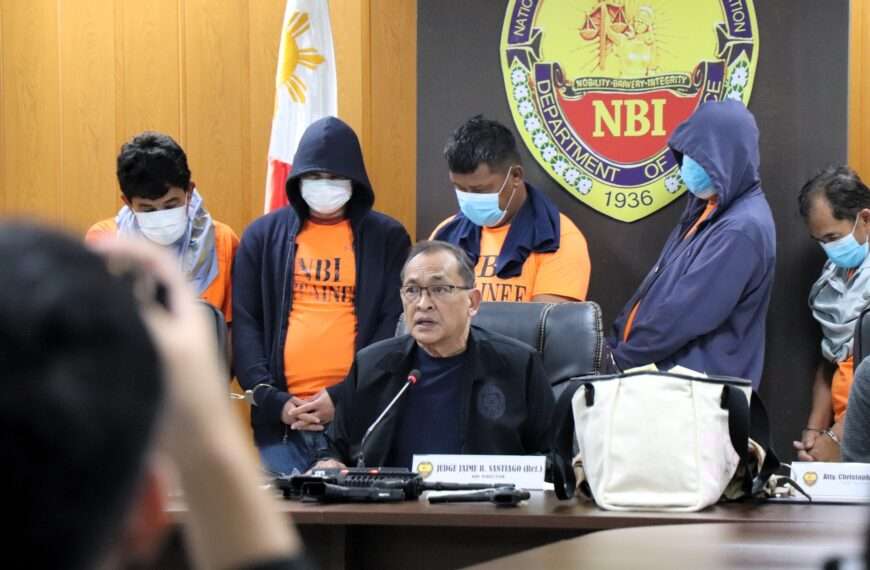
Rohan Pike, a former Australian police and customs officer with extensive experience in anti-smuggling and anti-corruption efforts, gave the warning after a Senate hearing on House Bill 11360, which seeks to combat the illicit tobacco trade.
Speaking before the Senate Committee on Ways and Means, led by Senator Sherwin Gatchalian, Pike urged the Philippines to take lessons from Australia’s experience, where strict tobacco regulations have led to a sharp increase in black market operations.
Pike explained that years of steep tax increases have caused Australia’s tobacco excise collections to plummet. Despite an 800-percent rise in tobacco taxes since 2010, government revenue from tobacco dropped from $16.3 billion in 2020 to just $7.4 billion last year—a dramatic 55-percent decline. He noted that legal cigarette packs in Australia now cost three times more than illicit ones, creating strong incentives for smuggling and counterfeit sales.
This has led to a spike in criminal activity. Pike pointed to over 200 arson attacks on shops and warehouses tied to illegal tobacco in his home state of Victoria over the past two years, as well as rising incidents of homicides, kidnappings, extortion, and armed robberies. He presented this as a cautionary example for the Philippines, warning that excessive taxation can unleash widespread disorder and strengthen criminal networks.
Pike warned, “Pulling the taxation lever too far can unbalance the market and cause unintended consequences.”
“Australia’s policy mistakes should be a wakeup call to Philippine regulators. We’ve seen the chaos that follows when taxation overshoots its mark,” he stated.
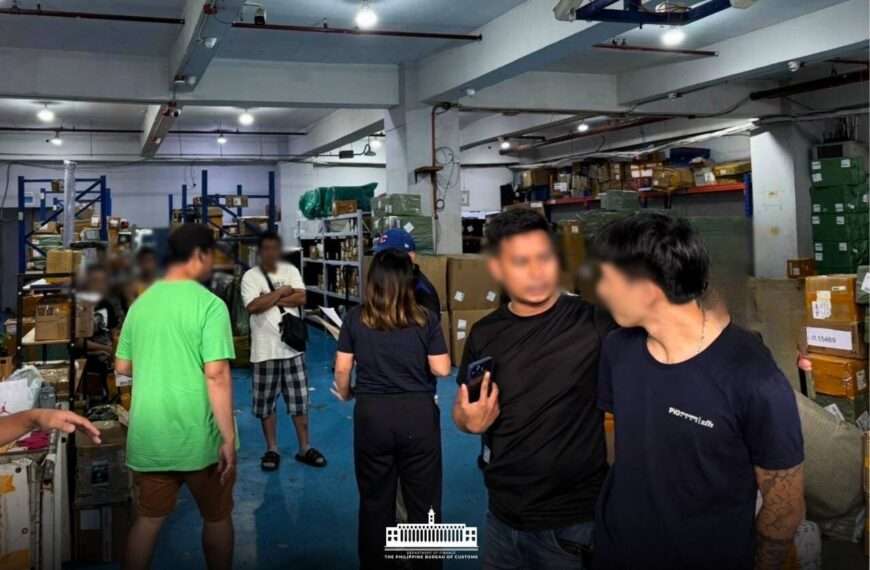
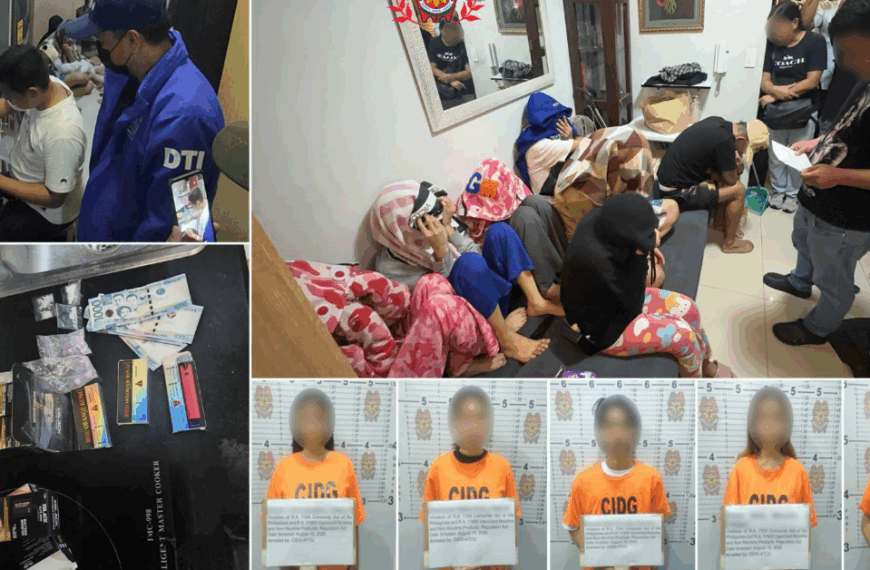
In the Philippines, troubling signs are already emerging. Government excise tax revenues from tobacco have dropped significantly—from ₱176 billion in 2021 to just ₱134 billion this year. At the same time, smuggled cigarette packs are being sold for as little as ₱40, compared to around ₱140 for legal brands, making illicit products far more appealing to price-sensitive consumers. Notably, adult smoking rates, which had remained steady for years, rose from 18.5 percent in 2021 to 23.2 percent in 2023. This suggests that the expanding black market is not only eroding legal sales but may also be encouraging more people to take up smoking.
Local e-cigarette industry representatives informed the Senate that illicit vaping products now make up as much as 80 percent of the Philippine market—an alarming figure that, while high, still falls short of Australia’s even more troubling level, where illegal vape sales exceed 95 percent.
Pike urged Philippine lawmakers to adopt a balanced, evidence-based strategy. He pointed out that both Australia and the Philippines have likely surpassed the peak of the so-called Laffer Curve—the point at which tax rates generate maximum government revenue. Pushing taxes higher, he warned, would only worsen revenue losses by pushing more consumers toward the black market.
He also highlighted the need for stronger law enforcement, noting that the Philippines’ geography—with its extensive coastlines and close proximity to major sources of illicit tobacco such as China, Cambodia, Vietnam, and Indonesia—poses significant border security challenges. While he welcomed the enforcement measures proposed in House Bill 11360, he argued that lowering the tax burden would be a more effective way to curb illegal trade.
Pike urged Philippine authorities to embrace tobacco harm reduction strategies. Instead of treating all nicotine products the same, he recommended offering tax incentives for less harmful alternatives such as vapes, alongside public education campaigns. This, he said, would be a practical approach to lowering smoking rates while protecting both government revenue and public health.