



All You Need to Know About the New COVID Variant NB.1.8.1 (‘Nimbus’)
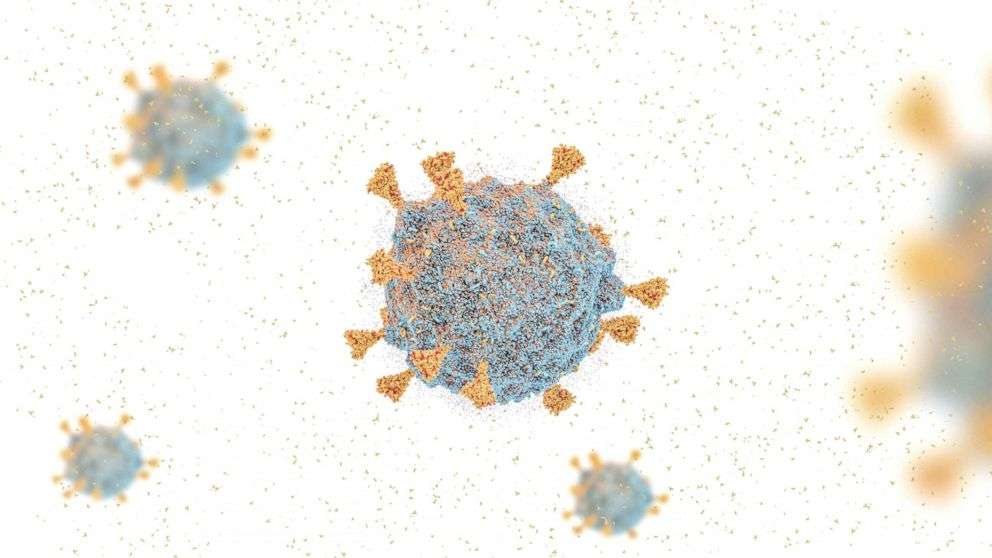
A new COVID-19 variant, designated NB.1.8.1 and informally nicknamed “Nimbus,” is drawing attention due to reports of a particularly painful symptom described by some as “razor blade throat.” While this variant has become the second most dominant in the U.S., accounting for an estimated 37% of cases, Philippine health authorities confirm it has not yet been detected locally. This special report provides a comprehensive overview of what we know about NB.1.8.1 and how to protect yourself.
What is NB.1.8.1 (or ‘Nimbus’)?
NB.1.8.1 is a descendant of the Omicron variant, specifically deriving from the recombinant variant XVD.1.5.1. The World Health Organization (WHO) first collected a sample of NB.1.8.1 on January 22, with its initial detection in China and other parts of Asia before spreading to Europe. The WHO has classified it as a “variant under monitoring,” indicating it requires prioritized attention but is not currently considered as serious as a “variant of interest” or “variant of concern.”
In the United States, data from the Centers for Disease Control and Prevention (CDC) shows NB.1.8.1’s rapid spread, making up 37% of cases as of the week ending June 7. It has been detected in several states, including New York, Illinois, Texas, and California.
Dr. Peter Chin-Hong, a professor of medicine and infectious disease specialist at the University of California, San Francisco, notes that the virus appears more transmissible due to changes in its spike protein, which it uses to attach to and infect cells. It also seems to attach more easily to ACE2 receptors, the proteins on cell surfaces that the virus uses for entry. The nickname “Nimbus” was coined on X by Canadian evolutionary biology professor T. Ryan Gregory, offering a more memorable moniker that includes letters from its lineage.
Understanding the Symptoms
The most talked-about symptom associated with NB.1.8.1 is the severe “razor blade throat.” However, experts are not yet certain if this painful symptom is truly distinctive to the variant or simply one that people are more frequently reporting. It also remains unclear if this specific throat pain is more common in individuals who are up-to-date on their vaccinations compared to those who are not.
Dr. Chin-Hong explains that sore throat is a common symptom reported by about 70% of COVID patients generally, and like many medical symptoms, it exists on a spectrum of severity. Currently, there is no evidence to suggest that NB.1.8.1 causes more severe disease or is more likely to lead to hospitalization. However, Dr. William Schaffner, a professor of preventive medicine at Vanderbilt University Medical Center, cautions that high-risk individuals still face a risk of hospitalization if they become infected.
The CDC’s list of symptoms for COVID-19 remains broad and includes sore throat, cough, fever, chills, shortness of breath, congestion, runny nose, loss of taste or smell, fatigue, muscle aches, body aches, headache, nausea, vomiting, or diarrhea.
Localized Philippine Context: No Detected Cases Yet
In the Philippines, Health Secretary Teodoro Herbosa has confirmed that there are currently no reported cases of the new COVID-19 variant, NB.1.8.1, or “Nimbus.” The Department of Health’s Epidemiology Bureau is actively monitoring COVID-19 cases, particularly with the onset of the rainy season, to detect if the new variant emerges in the country.
Secretary Herbosa also stated that individuals who have already received their COVID-19 vaccinations are likely protected from the “Nimbus” variant. Reports indicate that the rise in cases of the COVID-19 “Nimbus” variant has been primarily observed in the Eastern Mediterranean, Southeast Asia, and Western Pacific regions.
How to Protect Yourself
Public health experts emphasize that there is no cause for serious concern at this time, as the virus does not appear to be more severe than previous variants. They reiterate tried-and-true protective measures:
- Vaccination: High-risk Americans are advised to receive a vaccine twice a year, as recommended by the CDC. Most adults aged 18 and older are currently recommended to receive an updated 2024-2025 vaccine. Parents of children between 6 months and 17 years should consult a healthcare provider regarding vaccination benefits.
- Ventilation and Social Distancing: With COVID-19 cases often spiking in late summer and early fall, consider opening windows to improve ventilation and avoiding crowded areas. Dr. Schaffner advises opting to “stream a movie… rather than going to the movies.”
- Hygiene: Practice good hygiene, including thorough hand-washing and covering your mouth when coughing or sneezing.
- Testing: If you experience symptoms, use over-the-counter rapid at-home tests.
Dr. Alok Potel, a pediatrician and ABC News contributor, stresses that while COVID-19 may not always be life-threatening, it can be debilitating, causing individuals to miss work, spread the virus to higher-risk individuals, and potentially lead to long COVID. He reminds the public not to dismiss COVID as just another common cold, emphasizing that there is still much to learn about the virus as it continues to mutate.