



IRAN-ISRAEL CONFLICT
U.S. can end Israel-Iran conflict with one call, Iranian official says
Trump weighs intervention within two weeks
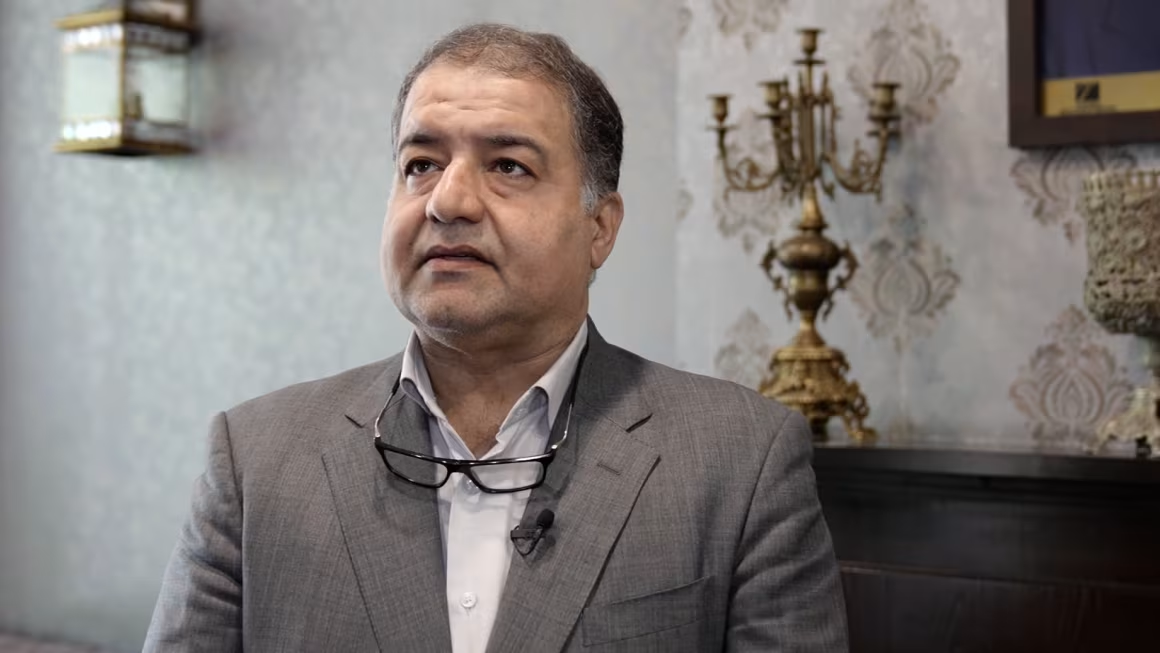
An official from the Iranian presidency stated on Friday that the United States holds the power to “easily” end the escalating conflict between Iran and Israel with a single telephone call, urging U.S. President Donald Trump to order Israel to halt its strikes on Iran. Majid Farahani, the Iranian official, reiterated Tehran’s position that diplomatic talks are impossible as long as Israeli bombardments continue.
“Iran believes in civilian dialogue,” Farahani stated in a TV interview, emphasizing that direct or indirect engagement is not the crucial factor. He reiterated, “President Trump can easily stop the war by only one telephone (call) to (the) Israelis.”
Farahani also addressed the contentious issue of nuclear enrichment, which Tehran insists is for peaceful purposes despite also manufacturing significant quantities of near-weapons-grade material. He maintained that Iran would not cease enrichment, but conceded that “concessions were possible,” adding, “Maybe it can be lower but we don’t stop it.” This comes as European powers, including France, have hardened their stance, advocating for “zero enrichment.”
Trump’s Two-Week Window for Decision
Meanwhile, the White House announced that President Donald Trump will decide whether the U.S. will directly intervene in the Israel-Iran conflict within the next two weeks. Press Secretary Karoline Leavitt, delivering a message directly from Trump, stated, “Based on the fact that there’s a substantial chance of negotiations that may or may not take place with Iran in the near future, I will make my decision whether or not to go within the next two weeks.”
This two-week negotiating window, following days of increasingly aggressive messages from the Trump administration, offers a slim, albeit improbable, path towards a peace deal. Trump’s own camp is reportedly divided on whether to pursue direct strikes against Iran. Iran’s deputy foreign minister had previously warned the BBC that U.S. involvement would cause “hell” in the region, asserting, “This is not America’s war.”
Farahani warned that if the U.S. gets involved, “there are so many options and all (of) those options are on the table” for Iran. Pro-government protests on Friday in Tehran demonstrated significant public anger directed at both Israel and the United States.
The Trump administration continues to maintain an air of strategic ambiguity regarding its intentions, with Trump himself previously stating, “I may do it. I may not do it.” The administration’s top priority remains preventing Iran from developing a nuclear weapon, a concern that Trump has voiced despite intelligence assessments, including some from Director of National Intelligence Tulsi Gabbard earlier this year, suggesting Iran was not planning to do so. Speculation about Trump’s intentions intensified after Iran’s Supreme Leader Ali Khamenei recently rejected his demand for surrender.
Ongoing talks in Geneva involving the foreign ministers from Iran, Britain, France, and Germany, along with the European Union’s foreign policy chief, mark the first confirmed face-to-face meeting since the conflict began, signaling a renewed diplomatic push amid the heightened military tensions.