



MIDDLE EAST CONFLICT
Trump says U.S. and Iran will meet next week
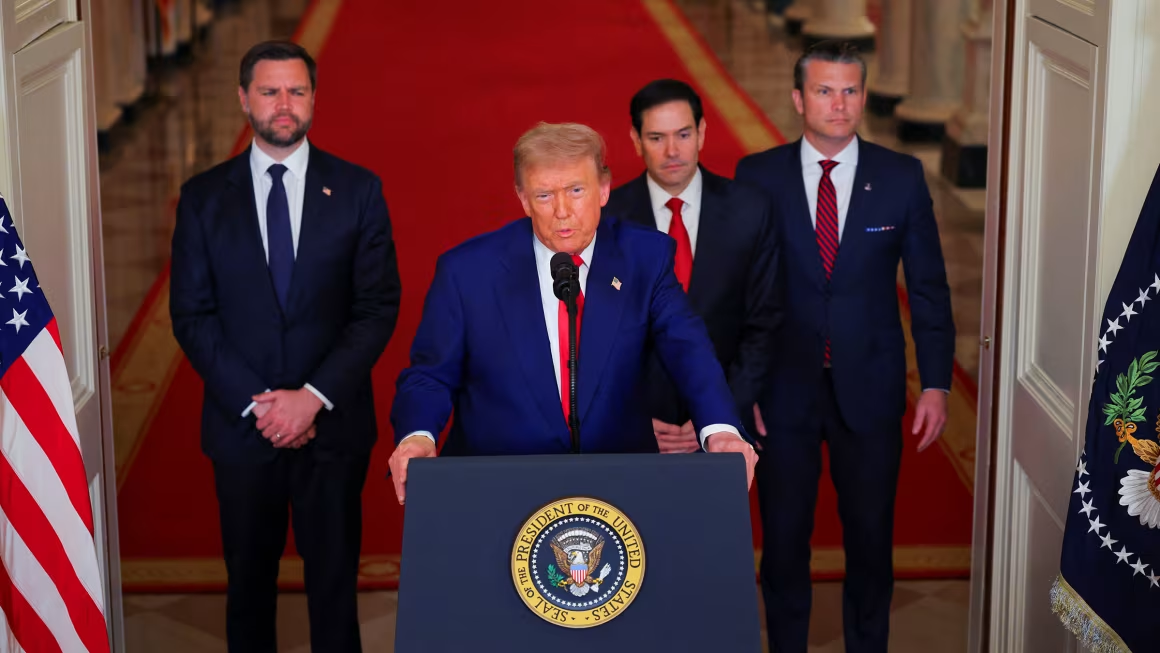
President Donald Trump announced on Wednesday that the United States and Iran would hold talks “next week,” even as he expressed skepticism about the need for a formal agreement regarding Iran’s nuclear program. This statement comes as the ceasefire deal between Israel and Iran entered its second day.
Speaking to reporters at a NATO conference, Trump stated he didn’t “think it was necessary” for the upcoming discussions to produce an agreement with Iran to relinquish its nuclear ambitions. While the format of these new discussions remains unclear, Secretary of State Marco Rubio indicated that the United States is seeking direct talks between the countries.
“I don’t care if I have an agreement or not,” Trump said. “The only thing we’d be asking for is what we were asking for before, about we want no nuclear.”
Trump reiterated his argument that American airstrikes inflicted a devastating blow to Tehran’s ambitions. He forcefully pushed back against a preliminary U.S. intelligence report that suggested the attacks had only set back Iran’s nuclear program by months. Secretary Rubio supported this stance, providing a more detailed argument for why he believes the Iranian program has been set back by years, specifically referencing the destruction of a “conversion facility” at Isfahan, which he described as critical for producing a nuclear weapon.
Israel also sought to reinforce this argument, with its atomic energy commission releasing a statement asserting that the American strike on the fortified Iranian nuclear site at Fordo “destroyed the site’s critical infrastructure and rendered the enrichment facility inoperable.”
These comments from Trump and his administration officials are part of an ongoing effort to portray the 12-day conflict—the biggest and deadliest ever between Iran and Israel—as a success. Iranian officials have made similar claims of victory since the ceasefire took effect. On Tuesday, residents of Tehran held a victory rally, and Iranian President Masoud Pezeshkian declared that Israel had “failed in achieving its sinister goals: the destruction of facilities, the dismantling of nuclear expertise, and the incitement of social unrest.”
As the truce held for a second day, both Iran and Israel began to restore a sense of normalcy after nearly two weeks of conflict. In Tehran, residents who had fled intense Israeli bombardments started returning home. In Israel, students went back to school and workers returned to offices as military restrictions were lifted.
However, tensions remain evident. Iran’s hardliner-dominated parliament reportedly voted to “suspend” cooperation with the United Nations’ nuclear watchdog and bar its inspectors from the country, though this move requires approval from a higher Iranian authority. This action signals simmering tensions between Iran and the agency, which some Iranian officials accuse of aiding Israel in justifying its attacks.