


#SONA2025
SONA goes austere: House & Senate cut red carpet amidst calamities
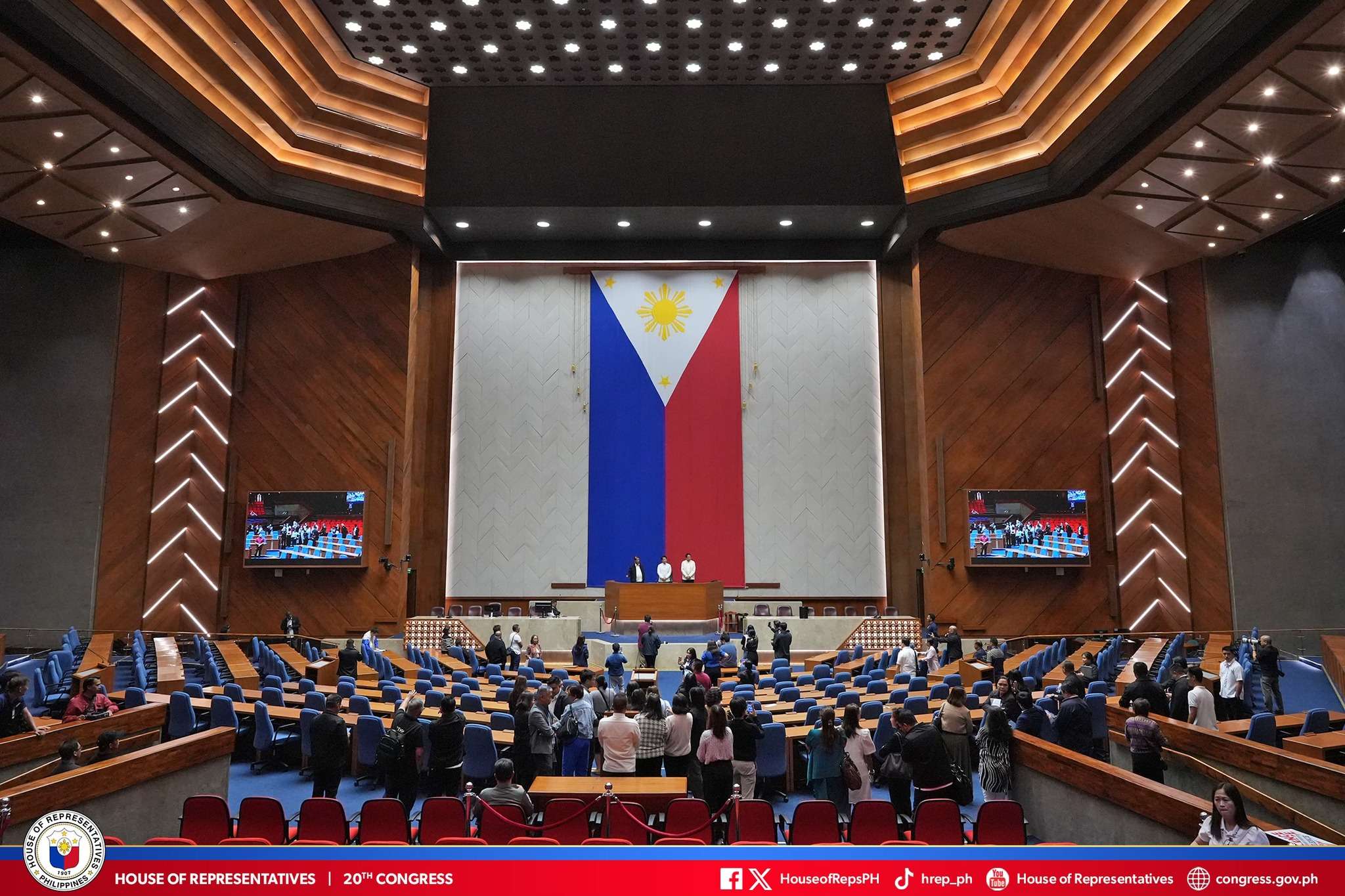
In a significant departure from tradition, the House of Representatives has announced the scrapping of red carpet ceremonies, fashion coverage, and elaborate photo opportunities for President Ferdinand Marcos Jr.’s fourth State of the Nation Address (SONA) on July 28. This move aims to “show solidarity” with communities severely impacted by recent typhoons and the enhanced southwest monsoon.
Based on a memorandum signed by House Secretary-General Reginald Velasco, several adjustments have been made for this year’s opening of the 20th Congress and President Marcos’s SONA at the Batasang Pambansa. The red carpet will now be strictly for ingress and official protocol, with staged ceremonies, dedicated fashion coverage, and photo setups no longer permitted. However, members of Congress will still be available for interviews with reporters.
“These adjustments reflect our solidarity with affected communities and our commitment to uphold the dignity of this national gathering,” the memorandum stated.
Despite the toned-down pomp, formal attire remains a requirement for attendees of Marcos’s speech, with traditional wear such as the barong or Filipiniana being encouraged. The memorandum further urged members to “avoid ostentatious displays and exercise discretion in their wardrobe choices.”
Meanwhile, Senate President Chiz Escudero has issued a similar directive for the upper chamber, confirming the removal of the red carpet for the opening of the 20th Congress at the Senate. “No red carpet at the Senate,” Escudero was quoted as saying by his staff, while ensuring suitable access for media coverage.
The decision to simplify the typically high-profile event comes after several lawmakers called for a more subdued SONA, out of respect for the thousands of Filipinos affected by widespread flooding caused by recent typhoons and the southwest monsoon. The recent calamities have led to numerous areas being declared under a state of calamity, with significant damage to infrastructure and agriculture, and a rising death toll.