



TRUMP PRESIDENCY
U.S. to require up to $15,000 bond for some tourists
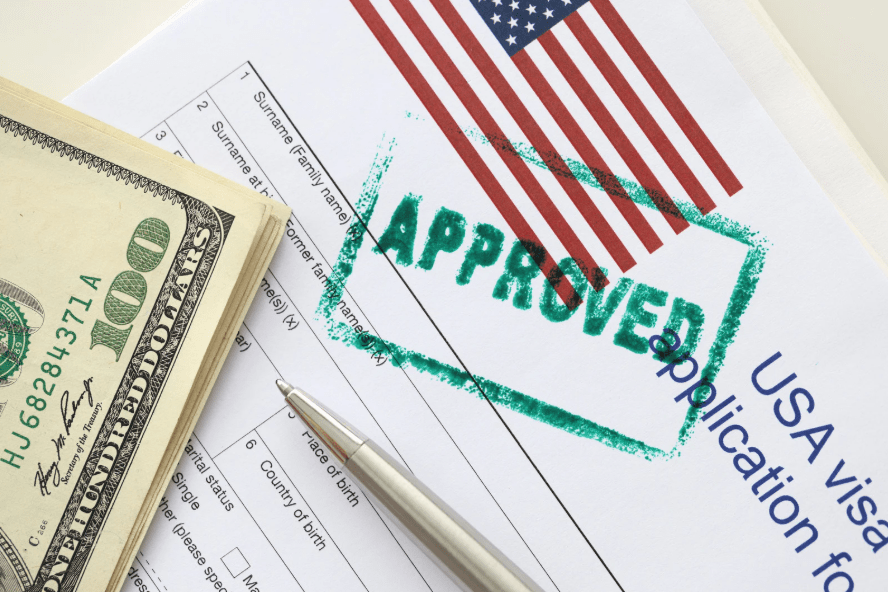
The United States Department of State is set to launch a pilot program on August 20 that will require some tourists and business travelers to post a bond of up to $15,000 (approximately 860,000 Philippine pesos). This 12-month initiative is aimed at reducing the number of visitors who overstay their B-1 or B-2 visas.
The program will target visa applicants from countries with historically high rates of overstays, although the specific nations have not been publicly identified. The State Department announced the program in a notice on Monday, citing it as a “diplomatic tool” to encourage foreign governments to improve their screening and vetting processes for their citizens. The department estimates the program could generate up to $20 million over the course of a year.
A similar program was introduced in 2020 by the Trump administration but was not fully implemented due to the significant drop in global travel caused by the COVID-19 pandemic. That program had targeted two dozen countries, primarily in Africa. The current program’s launch follows a June announcement by the U.S. government regarding the possibility of travel bans for visitors from 36 countries with high overstay rates.
According to a 2023 report, there were an estimated 500,000 visa overstays in the fiscal year. The State Department had previously discouraged the use of travel bonds, noting that processing them would be “cumbersome.”
The notice also makes a connection to broader immigration policy, referencing the Trump administration’s focus on immigration enforcement and border security. The administration has frequently justified its actions by claiming that undocumented individuals pose threats to national security and public safety.
However, this assertion is contradicted by multiple studies. A 2024 report to the U.S. House of Representatives based on Texas arrest records found that both documented and undocumented immigrants commit crimes at a lower rate than U.S. citizens. A 2021 study by Oxford Economics similarly found that undocumented immigrants are 33% less likely to be incarcerated than native-born citizens.