



RICE TRADE
Marcos orders rice importation suspension for 60 days from September 1
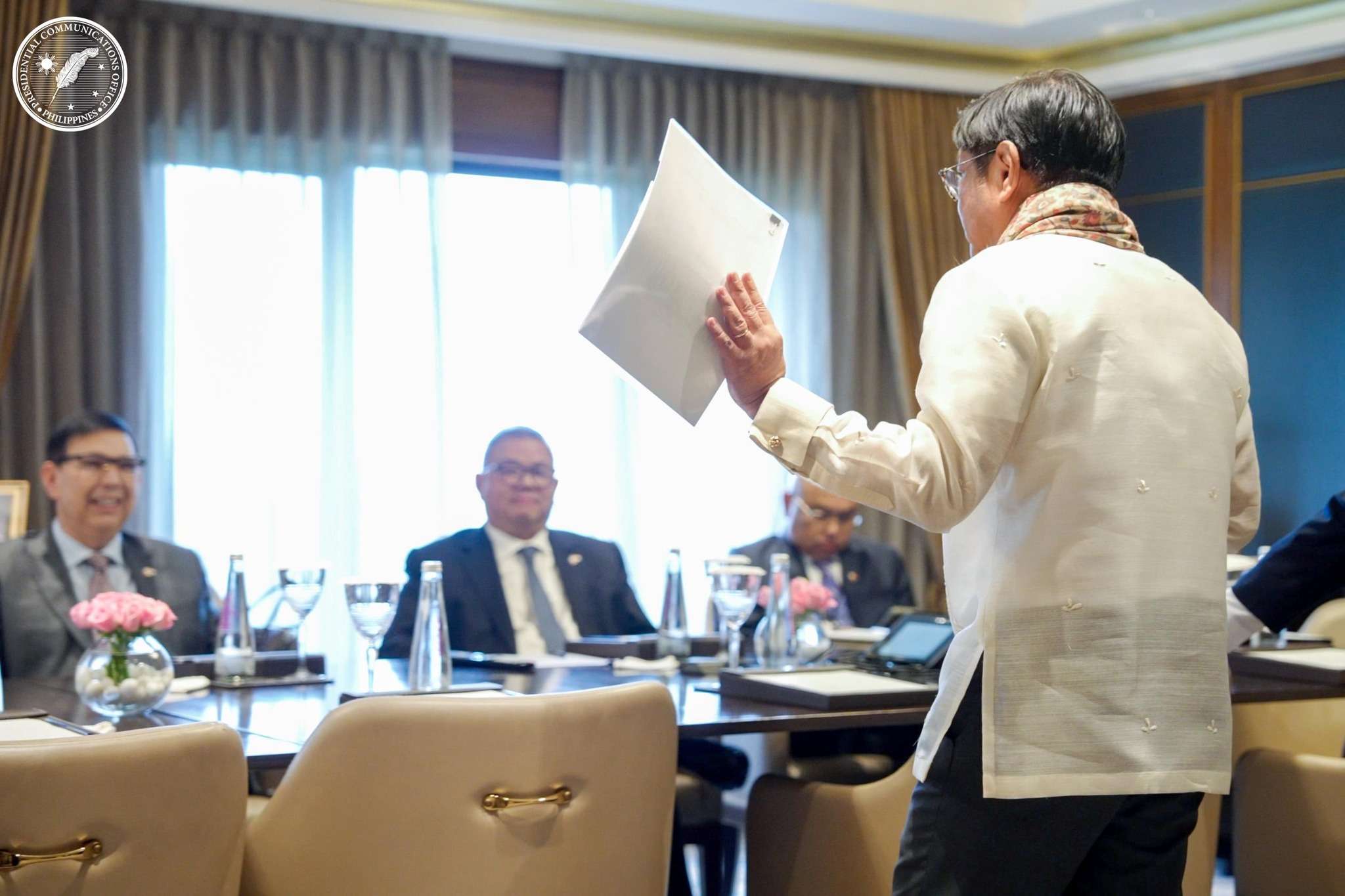
President Ferdinand R. Marcos Jr. has ordered a 60-day suspension of all rice importation, effective September 1, 2025. The directive, announced by Presidential Communications Office (PCO) Secretary Dave Gomez on Wednesday, aims to protect local farmers who are currently facing low palay (unhusked rice) prices during the harvest season.
The President issued the order after consulting with Cabinet members on the sidelines of his five-day state visit to India, and upon the recommendation of Agriculture Secretary Francisco Tiu Laurel Jr. According to Gomez, the temporary halt is intended to stabilize local palay prices and prevent farmers from being undercut by cheaper imported rice.
Rationale and future considerations
Farmers have largely attributed the decline in palay prices to the influx of imported rice, which is no longer capped by the government but is subject to tariffs. The Department of Agriculture had previously proposed suspending rice importation while gradually increasing the tariff on imported rice to 25 percent from the current 15 percent, ahead of the next harvest season. Agriculture Assistant Secretary Joycel Panlilio suggested that a 25 percent tariff would raise the cost of imported rice, allowing local growers to sell their harvest at fairer prices.
However, President Marcos believes it is “not yet time” to discuss tariff increases on imported rice. “We will still see if we need to resort to that. Right now, the decision is to suspend all rice importation for 60 days beginning Sept. 1,” Gomez quoted the President as saying.
Industry reaction
The agriculture industry group SINAG expressed skepticism about the effectiveness of the 60-day suspension, stating it “offers no real benefit to our farmers, unfortunately.”
SINAG argued that importers could simply adjust their shipping schedules to circumvent the temporary ban, especially since the tariff rate remains at a low 15 percent. The group also noted that there is “no urgency for new imports at this time, as warehouses — including those of the NFA — are already at full capacity.”
Instead, SINAG called for a more decisive measure: “The most effective and urgent course of action is to revert rice import tariffs to their previous levels: 35 percent for ASEAN imports [and] 50 percent for non-ASEAN imports.” The group believes this move is “essential to discourage excessive imports, stabilize local farmgate prices, and restore a fair playing field for Filipino rice farmers.”