

U.S. STRIKES IRAN
The United States has bombed three key nuclear sites in Iran
Tehran warns of ‘everlasting consequences’
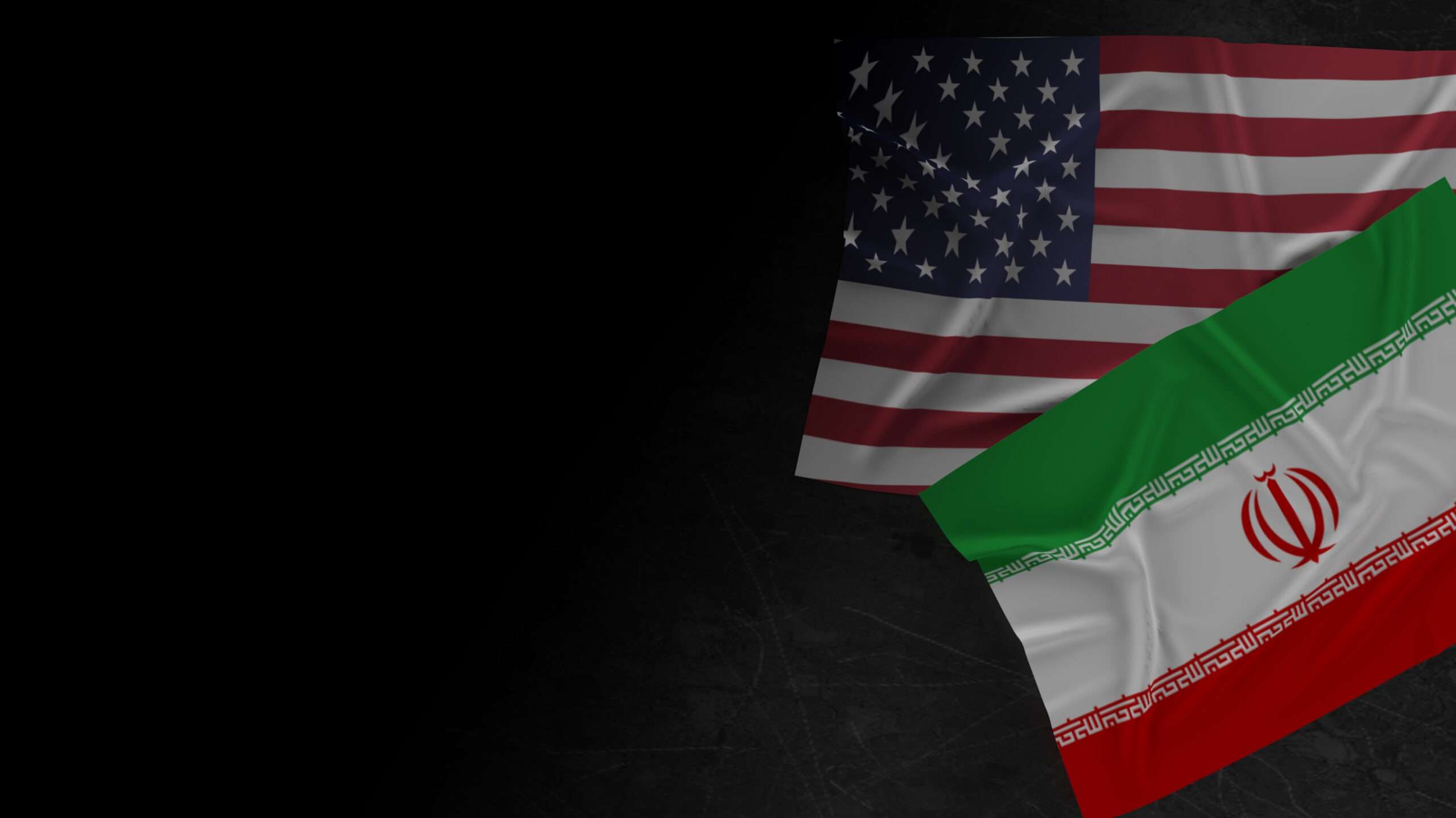
The United States has directly engaged in the ongoing Middle East conflict, with President Donald Trump confirming that U.S. warplanes executed significant bombing raids on key Iranian nuclear sites, including Fordow, Natanz, and Isfahan, on Saturday. Speaking from the White House, Trump asserted that these facilities were “totally obliterated” and warned Tehran of potentially “far greater” and “a lot easier” future attacks should it refuse to pursue peace.
This decisive action marks a substantial intensification of tensions and stands as one of the most weighty decisions of Trump’s nascent second presidential term. Trump characterized the operation as a “spectacular military success,” stating its objective was to dismantle Iran’s nuclear enrichment capabilities and neutralize the nuclear threat posed by what he termed the world’s “No. 1 state sponsor of terror.” He called upon Iran to immediately re-engage in diplomatic efforts to resolve the conflict.
A U.S. official revealed that six B-2 bombers were deployed, dropping a dozen GBU-57A/B Massive Ordnance Penetrators, or “bunker buster” bombs, on the Fordow nuclear site. These 30,000-pound munitions, specifically designed to reach and destroy heavily protected underground facilities, were utilized operationally for the first time. The decision to target Fordow, a facility previously left untouched by successive U.S. administrations, directly plunges Trump into a deepening regional crisis he had initially hoped to de-escalate through diplomacy.
The direct targeting of Iran comes days after the White House indicated a two-week window for a potential diplomatic resolution. This development represents a historic shift, as it marks the first instance in decades, since the 1979 Iranian revolution, that a U.S. President has deployed Air Force assets to strike major facilities within the country. Trump reaffirmed his long-held commitment to preventing Iran from acquiring nuclear weapons, stating, “I decided a long time ago that I will not let this happen.”
Ahead of the strikes, the U.S. notified Israel, and President Trump held a conversation with Israeli Prime Minister Benjamin Netanyahu following the operation. Trump noted close coordination, and Netanyahu publicly commended Trump’s decision, calling it a moment that would “change history.”
Anticipating potential Iranian retaliation, American military assets had been positioning themselves in the region. Post-address, Trump issued a stern warning, indicating any counter-strikes would be met with overwhelming force. While Trump appears optimistic that the strikes will compel Tehran back to the negotiating table, no additional U.S. military actions inside Iran were planned for Saturday evening, as the focus remains on pressuring Iranian leadership to “agree to end this war.” The decision to proceed with the strikes was made after it became apparent that diplomatic avenues remained stalled and Trump concluded that U.S. force was essential to neutralize Iran’s fortified nuclear installations.
Tehran’s defiance and ongoing regional hostilities
In the aftermath of the U.S. strikes, Iranian officials publicly downplayed their impact, with one lawmaker describing them as “superficial” and asserting minimal damage to Fordow. However, Iranian leaders have warned that the attack will result in “everlasting consequences” and have formally requested an emergency session of the UN Security Council. As of this report, Supreme Leader Ayatollah Ali Khamenei has not issued an official response.
Concurrently, the broader Israel-Iran conflict has now extended into its second week, with both nations continuing to exchange military actions. Following the U.S. strikes, the Israeli military reported that Iran launched a fresh wave of missiles towards Israel, underscoring the persistent and volatile nature of the hostilities in the region.