

MARCOS ECONOMY
Marcos gov’t to borrow ₱690B from local debt market in Q3
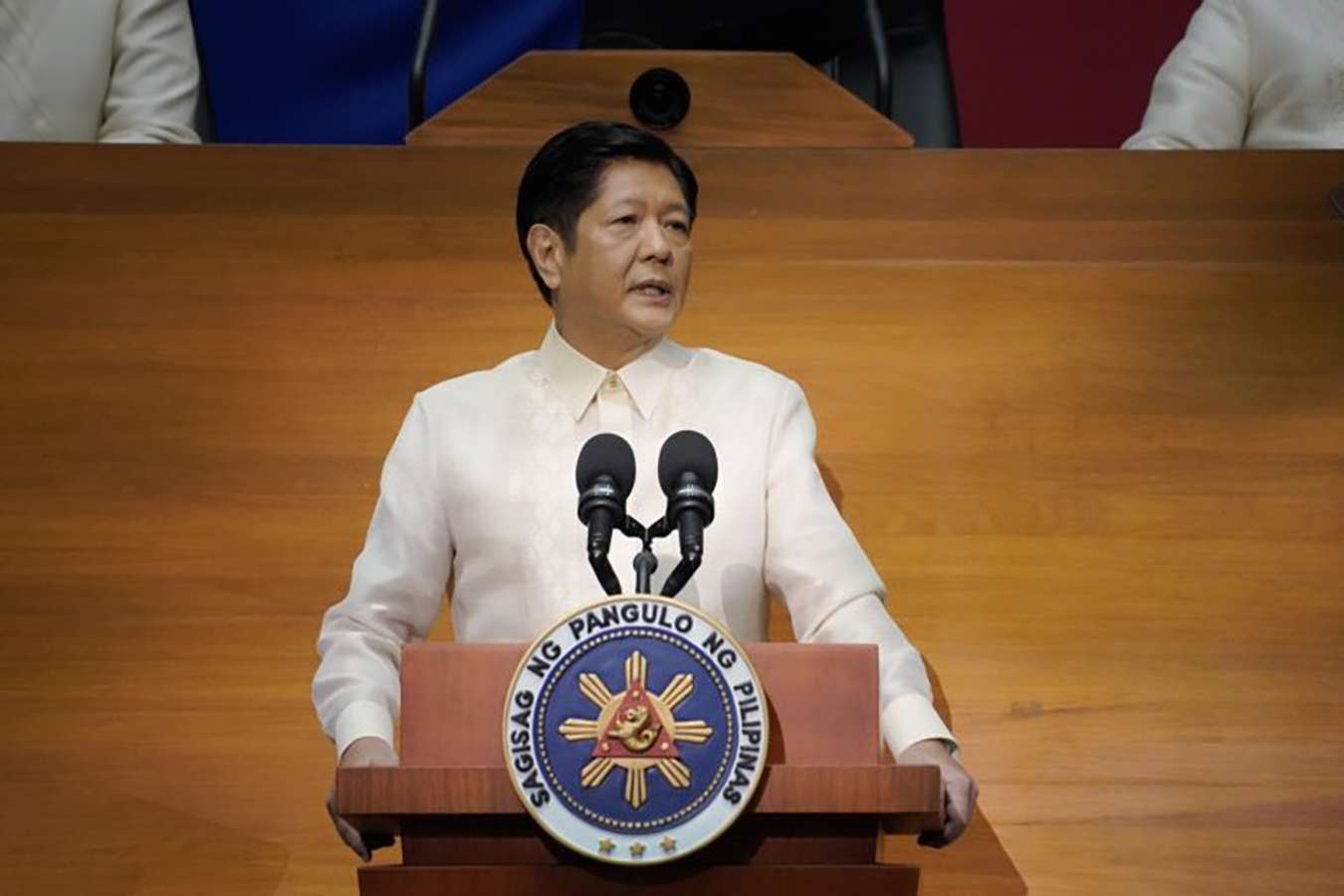
MANILA, Philippines – The Marcos Jr. administration plans to borrow ₱690 billion from the domestic debt market in the third quarter of 2025. This initiative aims to help finance the Philippines’ budget deficit.
The Bureau of the Treasury (BTr) announced its intention to raise this total amount through the issuance of Treasury bills (T-bills) and Treasury bonds (T-bonds from July to September. The programmed amount for the third quarter is 9.52 percent, or ₱60 billion, higher than the ₱630 billion targeted for the same period in 2024. However, this borrowing plan is lower than the ₱735-billion target from the second quarter of 2025.
Specifically, the government will issue 91-, 182-, and 364-day tenor T-bills every Monday to raise a total of ₱325 billion in the third quarter. Of this, ₱125 billion is scheduled for July, while ₱100 billion is set for August and September, respectively. The Treasury will also sell T-bonds with maturities ranging from three to 25 years every Tuesday to generate a total of ₱365 billion. This includes ₱125 billion in July, ₱120 billion in August, and ₱120 billion in September.
The Treasury may need to raise more than initially planned, as the government recently lowered its revenue target for the year. Michael L. Ricafort, chief economist at Rizal Commercial Banking Corporation (RCBC), noted that “this leads to wider budget deficits or government spending exceeding government revenues that would fundamentally require more government borrowings than otherwise, unless there is a meaningful reduction in government spending to offset the lower government revenues.” Ricafort also suggested that introducing new taxes could be a consideration if other measures are insufficient to reduce the government’s debt.
He further stated, “there is a need to hedge the national government’s borrowing requirements as a matter of prudence, a larger amount for the longest tenors possible to better manage future maturities and and prevent bunching over the short-term.” This approach is deemed necessary due to global market volatility, including factors such as President Donald Trump’s higher tariffs and Middle East tensions, which have influenced global crude oil and other commodity prices, alongside other geopolitical risks.
Economists anticipate that the U.S. Federal Reserve may reduce key interest rates by 50 basis points this year. This move could potentially be matched by the Bangko Sentral ng Pilipinas (BSP), leading to lower government borrowing costs. However, Ricafort cautioned that geopolitical risks in the Middle East and fiscal and debt concerns in the U.S. could increase U.S. Treasury yields, which serve as a basis for pricing debt worldwide.
For the entire year 2025, the government’s total planned borrowing stands at ₱2.55 trillion. An 80:20 borrowing mix will be followed, prioritizing domestic sources to mitigate the country’s exposure to foreign exchange risks. As of end-April 2025, the country’s outstanding debt reached a record ₱16.75 trillion, with the majority (69.2 percent) comprising domestic borrowings and the remaining 30.8 percent sourced externally. Sourcing from the domestic market is also part of the administration’s strategy to further develop the local capital market.