

RODRIGO DUTERTE IN ICC CUSTODY
Senator Alan Peter Cayetano files resolution seeking house arrest for ex-president Rodrigo Duterte
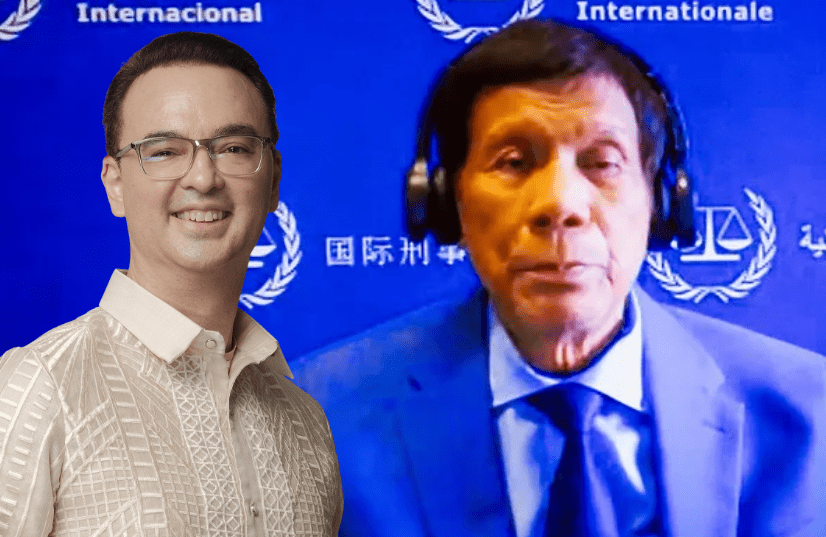
MANILA, Philippines – Senator Alan Peter Cayetano on Thursday, July 10, 2025, filed a resolution urging the Philippine government to advocate before the International Criminal Court (ICC) for the interim release of former President Rodrigo Duterte. The resolution proposes that Duterte be placed under a form of house arrest while awaiting trial in The Hague, Netherlands.
Former President Duterte has been in ICC custody for four months, following his arrest by Interpol on March 11, 2025, upon his return from Hong Kong. He was promptly extradited to The Hague, where he is currently detained at Scheveningen Prison on charges of crimes against humanity related to his administration’s war on drugs.
Titled “Resolution Expressing The Sense of the Senate to Urge the Philippines to Advocate Before the International Criminal Court (ICC) for the Interim Release of Former President Rodrigo Roa Duterte (FPRRD), Including Inter Alia Entering Into an Arrangement with the ICC to Receive Custody of FPRRD in a Form of House Arrest or Any Other Appropriate Arrangement In the Premises of the Philippine Embassy in The Hague, Netherlands,” the resolution emphasizes the Philippine Senate’s view that the 80-year-old former President should be granted interim release on humanitarian grounds.
The resolution asserts that under both domestic and international law, the former President is entitled to the “right to be presumed innocent until proven guilty.” It argues that granting this request would be “beneficial to his health, all while presenting no risk to the integrity of the ongoing trial.”
Specifically, the proposal seeks an arrangement with the ICC for Duterte’s custody to be transferred to the premises of the Philippine Embassy in The Hague. This arrangement could take the form of house arrest, modified house arrest, or any other suitable arrangement deemed appropriate by the Court. Such conditions might include restrictions on movement, requiring him to stay at a particular address, prohibiting contact with victims or witnesses, and ensuring compliance with summons.
The resolution also highlights Duterte’s deteriorating health, attributing it to old age and prolonged social isolation, and warns that continued detention could severely impact his emotional and physical well-being. It further appeals to Filipino cultural values, stating, “Bahagi ng ating pagka-Pilipino ang pagmamalasakit sa kapwa, lalo na sa mga matatanda.” (Part of being Filipino is showing concern for others, especially the elderly.)
Despite the Philippines’ withdrawal from the Rome Statute, the resolution underscores that an agreement with the ICC for conditional arrangements is still possible through the embassy in The Hague. This would ensure humane treatment for the former President by placing him under the embassy’s care.
A precedent cited in the resolution is the ICC’s granting of interim release in the 2009 case of Congolese rebel Jean-Pierre Bemba Gombo, pending a final decision on his sentence in a related case.
The resolution also appeals to the Philippine government to extend courtesy to the former President, drawing a comparison to the consideration given to prominent personalities such as Senator Leila De Lima, who was allowed to continue performing her duties while in detention.
“The least the Philippines could do for its former leader is to advocate for his release and make the necessary arrangements to accommodate him,” the resolution states. It concludes with a call for compassion and urgency, emphasizing that allowing Duterte to spend his twilight years with family and friends is a basic act of dignity, and denying it would be an injustice. “Marapat lamang na kumilos ang ating gobyerno sa lalong madaling panahon habang hindi pa huli ang lahat dahil ‘ika nga: nasa huli ang pagsisisi,” (Our government should act as soon as possible before it’s too late because, as they say: regret comes last) the proposal urged.